
Why Lashing Belts Are a Go-To Solution for Safe Cargo Transit?
Discover how lashing belts provide a fast, flexible, and reusable solution for keeping cargo stable and secure throughout its voyage.
3/30/20262 min read
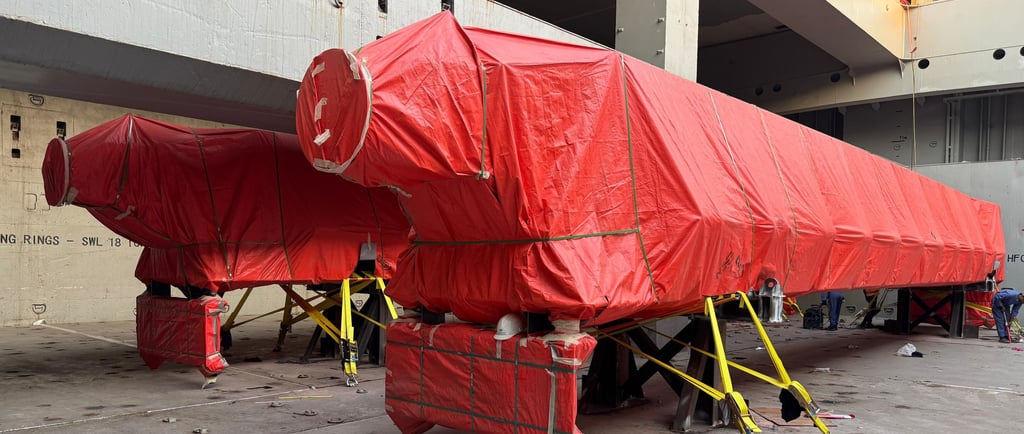
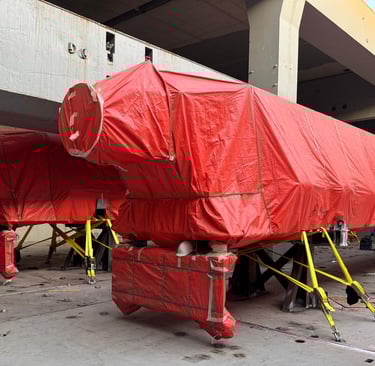
When it comes to securing cargo aboard vessels or on transport trucks, few methods strike the right balance between flexibility and holding strength quite like lashing belts. Whether you're moving heavy industrial machinery, steel pipes, or mixed general cargo, lashing belts are one of the most versatile tools in a cargo securing professional's kit.
What Are Lashing Belts?
Lashing belts — also called ratchet straps or cargo straps — are high-tensile polyester webbing straps fitted with tensioning mechanisms (typically ratchets or cam buckles). They work by looping around or over the cargo and anchoring to fixed lashing points on the vessel deck, container floor, or flatbed trailer. Once tensioned, they hold the load firmly in place, resisting the shifting forces generated by vessel movement, waves, and acceleration.
Why They're Widely Used in Maritime Cargo Operations
The appeal of lashing belts lies in three core qualities: speed, adaptability, and reusability. A trained crew can rig and tension them quickly, making them ideal for time-sensitive port operations. Unlike welded securing — which is permanent — lashing belts can be removed, inspected, and reused across multiple voyages, offering a cost-effective solution for regular shippers.
They also adapt easily to a wide range of cargo shapes and sizes. From cylindrical tanks to crated equipment, lashing belts can be applied in direct, loop, or cross-lashing configurations depending on the load requirements and the forces anticipated during the voyage.
Compliance and Safety Standards
Proper lashing is not just good practice — it's a regulatory requirement. The IMO's CSS Code (Code of Safe Practice for Cargo Stowage and Securing) provides guidelines on the minimum securing arrangements for various cargo types. Lashing belts used in maritime operations must meet certified Working Load Limit (WLL) ratings appropriate for the cargo weight, and the securing plan must account for forces in all directions — longitudinal, transverse, and vertical.
At Al Safina Supplies and Investment, our team carries out lashing operations in full compliance with international standards, ensuring your cargo arrives at its destination safely and your operations remain audit-ready.
The Bottom Line
For shippers and vessel operators looking for a fast, flexible, and reliable cargo securing method, lashing belts remain a trusted choice. When combined with professional assessment of the cargo's weight, center of gravity, and voyage conditions, they deliver the stability needed to navigate even demanding sea states with confidence.
Need professional lashing services at any seaport in Oman? Contact the ASSI team today.
Al Safina Supplies and Investment
Contact US
+968 9803 0880 (Call)
+968 9717 5515 (Whatsapp)
commercial@assimena.com
© 2026. All rights reserved.
Falaj Al Qabail, Sohar, Sultanate of Oman